
How Personalized Protocols Are Changing Neurotherapy
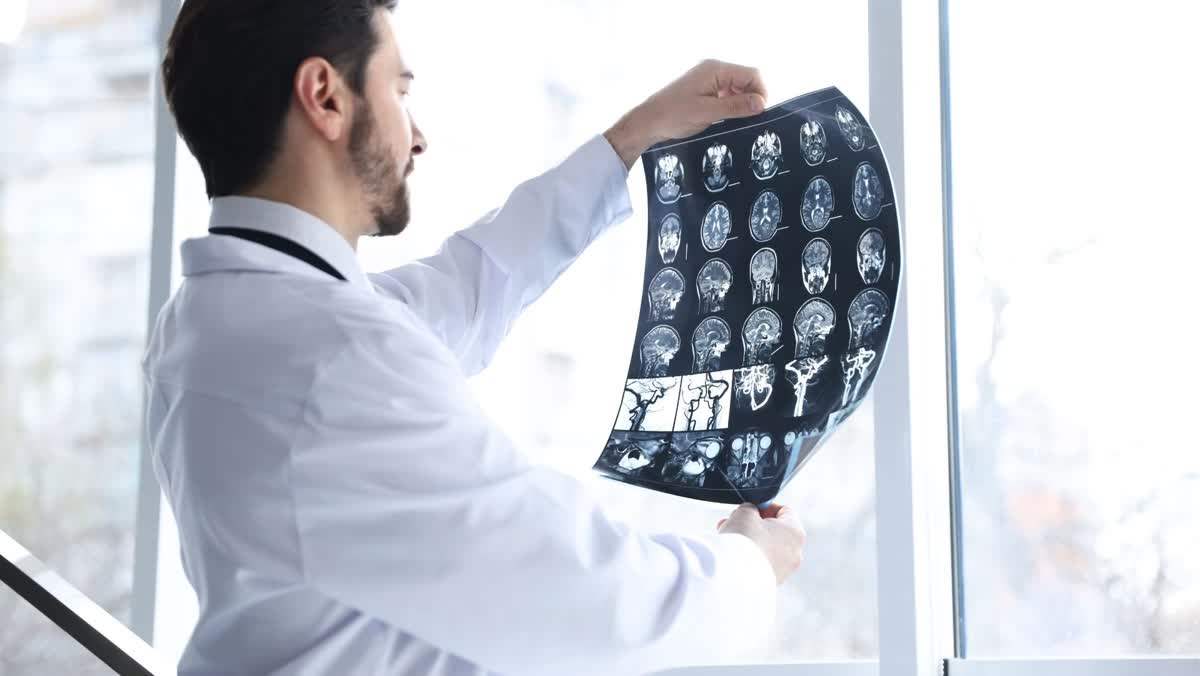
The End of One-Size-Fits-All
Neurological conditions are heterogeneous: genetics, disease stage, comorbidities, sleep, hormones, and lifestyle all shape outcomes. Standardized treatments are necessary, but personalization often determines whether patients experience meaningful, sustained gains.
What “Personalized” Really Means
True personalization involves inputs (how we deliver therapy) and targets (what we aim to change). It requires:
- Biomarker-informed decisions (symptoms + objective signals).
- Adaptive dosing as physiology changes.
- Safety loops to prevent over- or under-treatment.
The btt Personalization Model
Brain-guided thermodynamics for individualized neurotherapy
btt uses brain-guided thermodynamics—noninvasive, physician-supervised methods that adjust temperature–time windows to elicit precise biologic responses, such as Heat Shock Protein (HSP) induction and inflammation control.
Core pillars of personalization:
- Step 1
Assessment
Comprehensive review of medical history, diagnostics, and functional goals.
- Step 2
Initialization
Conservative starting doses to establish tolerance and physiologic response patterns.
- Step 3
Titration
Stepwise adjustments using patient feedback and real-time physiologic signals.
- Step 4
Consolidation
Reinforces gains, prevents regression, and builds a long-term maintenance strategy.
Mechanisms That Benefit from Personalization
- Proteostasis & HSPs: Individuals differ in how strongly HSF1 and HSP70/90 respond to temperature cues; personalized treatment adjustments can optimize chaperone activity.
- Mitochondrial function: Thermal modulation influences ATP production; the optimal window varies with age, condition and disease.
- Neuroinflammation: Microglial and astrocytic responses are dose-dependent, requiring precise titration.
- Sleep & circadian biology: Aligning session timing with chronotype can amplify benefits.
Measuring What Matters
Beyond symptom scales, btt emphasizes functional metrics patients care about:
- Cognition: clarity, attention, working memory.
- Motor function: balance, coordination, fine motor control.
- Sleep quality: continuity, refreshment upon waking.
- Energy & mood: daytime stamina, emotional steadiness.
Where appropriate, wearable data and validated questionnaires complement ongoing clinical evaluation.
Safety as a Feature, Not an Afterthought
Personalization is inseparable from safety:
- Exclusion criteria and medical cautions (cardiovascular status, thermoregulatory issues, implants) are strictly observed.
- Continuous monitoring by the physician ensures comfort and physiologic stability throughout sessions.
- Regular progress reviews ensure the protocol evolves with the patient's trajectory.
Case-Pattern Illustrations
- Early cognitive decline: Emphasize gentle HSP induction and circadian alignment—typically morning sessions.
- Motor symptoms: Combine thermodynamic protocols with targeted physical therapy to enhance neuroplasticity and coordination.
- High inflammation load: Use conservative ranges, extend recovery intervals, and track fatigue markers closely.
The Road Ahead
Personalized neurotherapy is moving towards integrating:
- Biophysics (thermodynamics)
- Molecular signatures (proteins, cytokines)
- Digital phenotyping (behavior, sleep, activity)
Together, these elements can deliver safe, adaptive, patient-centered interventions grounded in measurable biology.
See how an individualized plan could work for you. Book a free video consultation.
Request an EvaluationRelated Articles
Early Signs of ALS That Are Often Overlooked or Misdiagnosed
Early symptoms of ALS can be subtle and are frequently mistaken for more common neuromuscular conditions.

The Connection Between Sleep, Brain Temperature, and Healing
Human sleep is fundamentally thermoregulatory. Small shifts in brain temperature shape recovery, cognition and repair.
Heat Shock Proteins in Neuroprotection: Molecular Mechanisms, Therapeutic Induction by Hyperthermia, and Clinical Implications
Heat shock proteins (HSPs) are ubiquitous molecular chaperones that maintain proteostasis by assisting in protein folding, preventing aggregation, and facilitating the refolding…