
What Are Heat Shock Proteins and Why Do They Matter?

Overview
Heat shock proteins (HSPs) are the cell’s emergency response team. When proteins misfold—due to aging, toxins, stress, or disease—HSPs refold them, escort damaged ones for recycling, and maintain cellular environment (proteostasis). In neurodegenerative diseases such as Alzheimer’s, Parkinson’s, and ALS, where toxic aggregates accumulate, HSPs play a central protective role.
Related reading:
Induction of heat shock proteins: Understand how it works.
Brain Thermodynamics
The HSP Family in Plain Language
- HSP70: Binds exposed hydrophobic regions, prevents clumping, and assists refolding with co-chaperones.
- HSP90: Stabilizes many client proteins (kinases, receptors), shaping stress and inflammatory signaling.
- Small HSPs (e.g., HSP27): Support cytoskeletal stability and protect against apoptosis.These chaperones are ATP- powered molecular triage systems—refolding if possible, or directing damaged proteins to the cell’s recycling machinery.
Why HSPs Matter for the Brain
Neurons are long-lived, metabolically active cells thatcontinually synthesize proteins for synapses, ion channels, and receptors. When misfolded proteins escape quality control, they can form toxic aggregates (e.g., amyloid-β, tau, α-synuclein, TDP-43).
HSPs intervene by:
- Preventing aggregation: Shielding exposed regions to stop clumping.
- Refolding: Using ATP cycles to restore normal structure.
- Clearing damage: Tagging irreparable proteins for removal.
- Reducing stress: Interacting with inflammatory pathways to reduce cellular distress.
Inducing HSPs—Safely and Precisely
HSPs are naturally upregulated by mild, controlled increases in temperature (fever-range thermal stress). The transcription fator i.e the heat shock factor (HSF1) senses thermal activates, and triggers HSP gene expression. The btt Medical Institute leverages brain-guided thermodynamics to stimulate this pathway noninvasively— through personalized temperature modulation under continuous medical supervision.
Learn more: What Is Brain Thermodynamics and How Can It Help Restore Neural Function?
HSPs and Neurodegeneration: What the Evidence Suggests
Growing evidence and clinical observations indicate that enhancing HSP capacity can:
- Reduce toxic protein aggregates.
- Support mitochondrial function and synaptic stability.
- Mitigate neuroinflammation.
- Improve cognitive, emotional, and motor performance in select patients.
Practical Takeaways for Patients & Caregivers
- Drug-free adjunct: Thermal inductioncomplements—ongoing medical care.
- Personalization matters: Each patient’s optimal temperature–time window is unique with safe dosing at the right temperature and at the right time window.
- Multi-system benefits: HSPs touch proteostasis, inflammation, and energy metabolism.
How btt Integrates HSP Science
btt protocols are designed to activate HSPs within safe individualized therapeutic ranges, guided by the Abreu Brain Thermal Tunnel (btt/ABTT) system. Each plan emphasizes:
- Individualized thermal dosing (temperature × time).
- Continuous physician monitoring for comfort and safety.
- Progressive, outcome-based improvement over time.
FAQ
Explore how HSP-guided care fits your case.
Book a free video consultation.
Related Articles
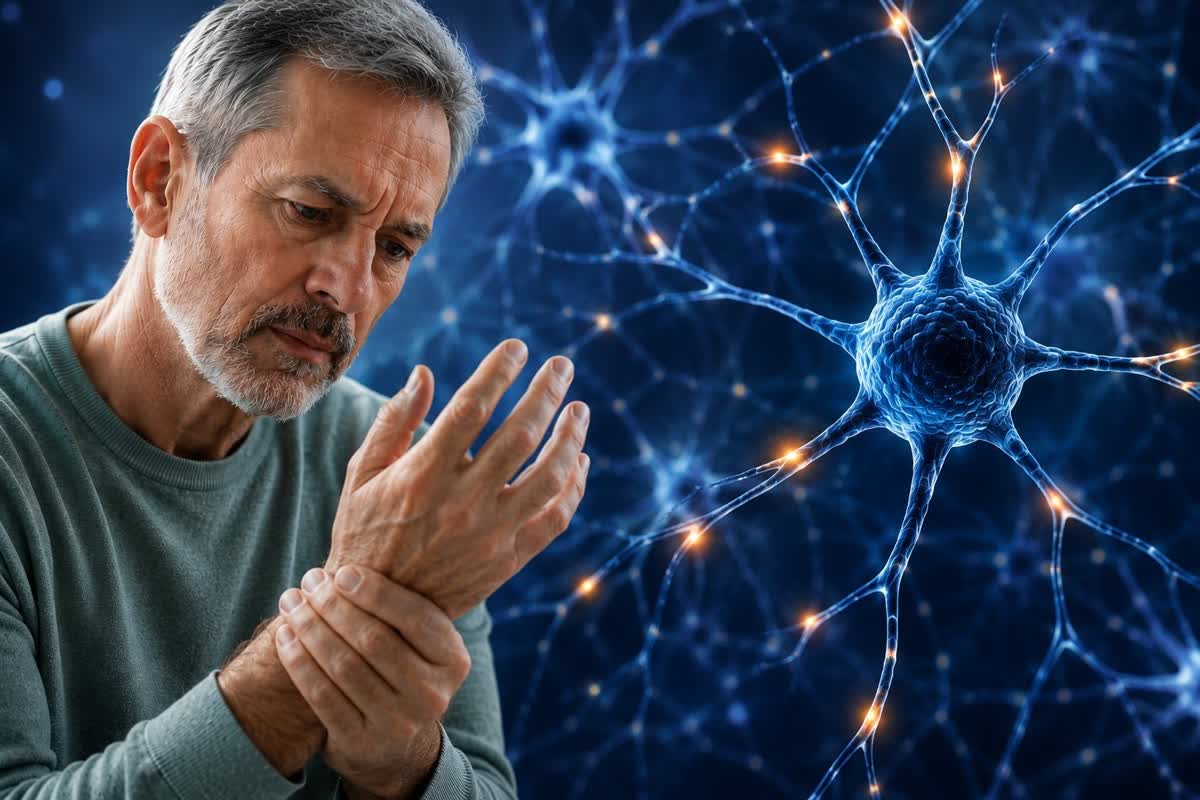
Early Signs of ALS That Are Often Overlooked or Misdiagnosed
Early symptoms of ALS can be subtle and are frequently mistaken for more common neuromuscular conditions.

The Connection Between Sleep, Brain Temperature, and Healing
Human sleep is fundamentally thermoregulatory. Small shifts in brain temperature shape recovery, cognition and repair.
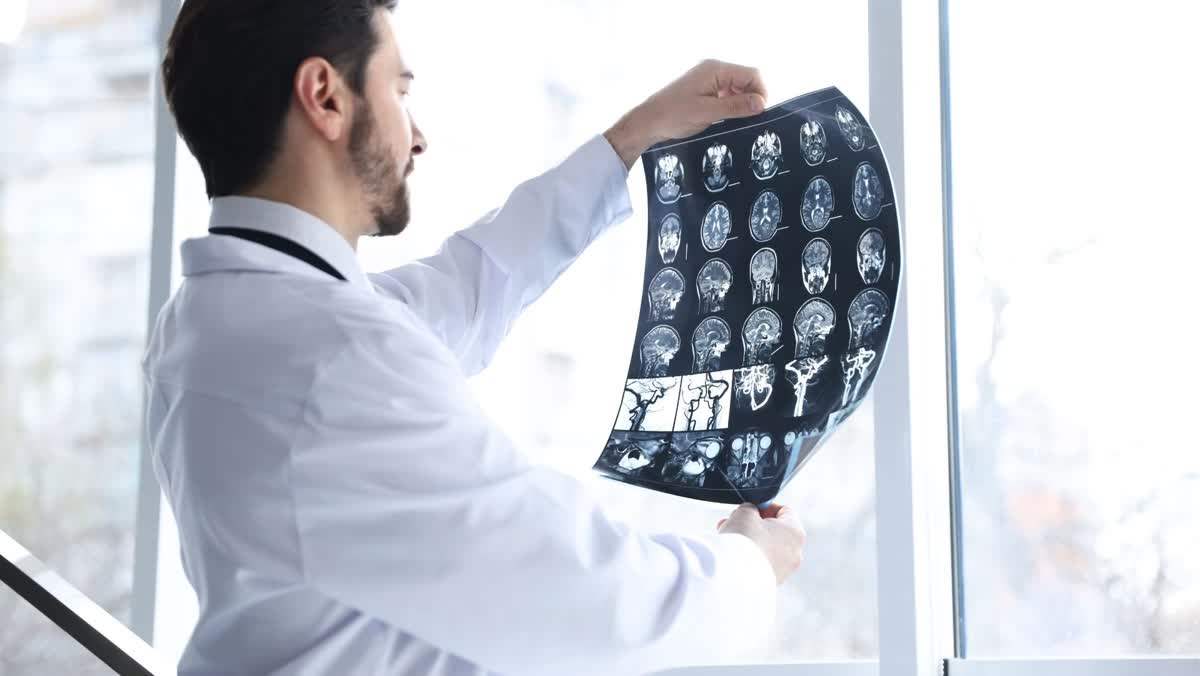
How Personalized Protocols Are Changing Neurotherapy
Standardized treatments are necessary, but personalization often determines whether patients experience meaningful, sustained gains.