
What Is Brain Thermodynamics and How Can It Help Restore Neural Function?

The Hidden Power of Temperature in the Human Brain
Every cell in the human body generates heat — but in the brain, this heat is far more than a byproduct of metabolism. It’s a key player in maintaining life itself. The field of brain thermodynamics, pioneered by Dr. Marc Abreu, has revealed that the way our brain regulates and distributes temperature can determine how neurons survive, communicate, and recover from damage. For decades, temperature was seen as to monitor, not manipulate. Today, thanks to scientific breakthroughs in thermodynamic medicine, we know that precise modulation of brain temperature can trigger powerful biological responses — capable of repairing misfolded proteins, reducing inflammation, and promoting neural restoration. This is the foundation of the btt (Brain Thermal Tunnel) technology, an innovation that is redefining the future of neurotherapeutics.
Understanding Brain Thermoynamics
Thermodynamics, in simple terms, is the study of how energy moves and changes form. In the human brain, this energy takes the form of heat — an essential element that influences blood flow, metabolic rate, oxygen delivery, and protein behavior. But the brain’s thermodynamics are complex. Unlike other organs, it has its own internal microcirculatory system designed to stabilize temperature in specific regions. Even small variations in brain temperature — fractions of a degree — can alter the activity of neurons and glial cells. Research from Dr. Abreu and his collaborators at Yale and Harvard demonstrated that temperature gradients in the brain are not random. They follow specific “thermal tunnels” — microscopic pathways that conduct and regulate heat flow. Through these tunnels, the brain manages not only its energy balance but also its defense mechanisms at a molecular level.
The Discovery Behind the btt Technology
At the heart of the btt Medical Institute lies a technology born from years of clinical observation and scientific validation. Dr. Marc Abreu discovered the existence of a “brain thermal tunnel” — a measurable and controllable system that reflects the brain’s core temperature and its ability to regulate thermodynamic balance. This discovery opened the door to noninvasive methods to modulate brain temperature safely, allowing physicians to trigger restorative responses that were once considered impossible. When brain temperature is precisely regulated within the optimal therapeutic range, it activates heat shock proteins (HSPs) — powerful molecular guardians responsible for repairing damaged proteins, preventing toxic aggregation, and supporting cellular longevity. In neurodegenerative diseases like Alzheimer’s, Parkinson’s, or ALS, these proteins play a critical role. By reactivating the body’s natural thermodynamic system, the btt approach helps the brain protect itself and regain function.
Heat Shock Proteins: The Brain’s Natural Repair System
Every time cells experience stress — whether from toxins, aging, or disease — they rely on a family of molecules called heat shock proteins. These proteins act like the body’s own emergency response team: they detect misfolded or damaged proteins and guide them back to their correct structure. Without these molecular protectors, cells would accumulate toxic aggregates that interfere with normal function — one of the hallmarks of neurodegenerative conditions. Through thermodynamic stimulation, the btt technology naturally induces these proteins without the use of drugs or invasive procedures. This means the brain can restore its internal balance using its own regenerative capacity, without the side effects associated with pharmacological interventions. This process is not hypothetical; it’s measurable. Studies have shown that controlled thermal modulation leads to increased expression of HSP70 and HSP90 — two proteins directly involved in neural protection and synaptic recovery.
Why Temperature Regulation Matters for Brain Health
Our brain operates within a delicate temperature range — typically between 36.5°C and 39°C. Even minor shifts can affect neuronal activity, neurotransmitter release, and the permeability of the blood-brain barrier. Chronic stress, inflammation, or aging can disrupt this balance, leading to local hypothermia or hyperthermia in specific brain regions. These disturbances compromise cellular function and accelerate the degenerative process. By restoring thermodynamic harmony, btt treatment helps: – Enhance oxygen and nutrient delivery to neural tissue. – Promote mitochondrial efficiency and energy production. – Reduce oxidative stress and neuroinflammation. – Support the repair of synaptic connections and overall brain plasticity. The result is a measurable improvement in brain function, often perceived by patients as better cognition, emotional stability, and physical coordination.
A noninvasive Approach to Neural Restoration
Traditional medicine often focuses on managing symptoms rather than addressing root causes. The btt Medical Institute takes a different approach. By targeting the brain’s thermodynamic balance, it activates the body’s intrinsic repair mechanisms. This is achieved through a noninvasive procedure that gently regulates brain temperature while continuously monitoring vital parameters. The process is comfortable, personalized, and guided by real-time medical supervision. Each session is part of a customized protocol, tailored to the patient’s condition, age, and physiological response. Over time, this approach supports progressive improvement in neural performance and overall vitality.
Clinical Observations and Results
Over the years, the btt technology has been applied in patients suffering from Alzheimer’s disease, ALS, Parkinson’s disease, multiple sclerosis, and certain oncological conditions. Although outcomes vary by individual, clinical observations show consistent trends: – Enhanced cognitive clarity and focus. – Improved sleep quality and mood regulation. – Greater motor coordination and balance. – Reduction in fatigue and inflammation biomarkers. For many, these changes represent not just medical progress, but a return to independence and quality of life once thought impossible.
The Science Continues to Evolve
The field of brain thermodynamics is still expanding, and new studies continue to confirm its impact on neurobiology. Researchers are exploring how thermal modulation may influence gene expression, mitochondrial dynamics, and synaptic regeneration. Dr. Abreu’s work remains at the forefront of this scientific frontier, bridging academic research with real-world clinical application. At the btt Medical Institute, this knowledge translates into protocols that are evidence-based, measurable, and repeatable — ensuring safety and consistent results for every patient.
The Future of Medicine: From Physics to Healing
The integration of physics, molecular biology, and clinical medicine represents a paradigm shift. Thermodynamic medicine demonstrates that healing is not only biochemical but also physical — rooted in the energy dynamics that govern all life. By understanding and harnessing the brain’s natural thermodynamic intelligence, physicians can now support recovery in conditions once deemed irreversible. What began as a scientific discovery has become a medical reality: a way to reactivate the body’s self repair systems, enhance longevity, and restore the very essence of human vitality.
Experience the btt Approach
At btt Medical Institute, our team of doctors, engineers, and researchers works with one shared mission — to bring the most advanced, science-driven, and compassionate care to every patient. If you or a loved one are exploring innovative options for neurodegenerative or oncological conditions, our specialists are here to guide you. Schedule a free video consultation and discover how thermodynamic technology can open a new chapter in your health journey.
Book Your Appointment Today
Related Articles
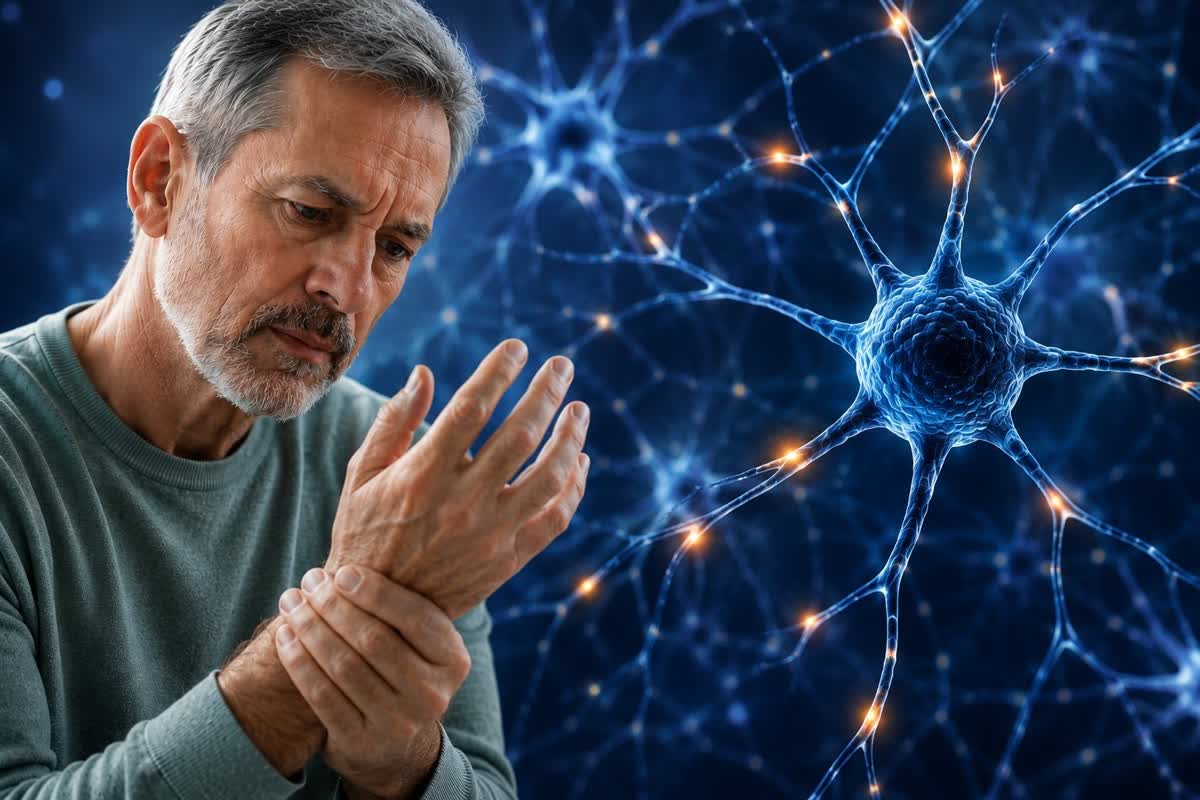
Early Signs of ALS That Are Often Overlooked or Misdiagnosed
Early symptoms of ALS can be subtle and are frequently mistaken for more common neuromuscular conditions.

The Connection Between Sleep, Brain Temperature, and Healing
Human sleep is fundamentally thermoregulatory. Small shifts in brain temperature shape recovery, cognition and repair.
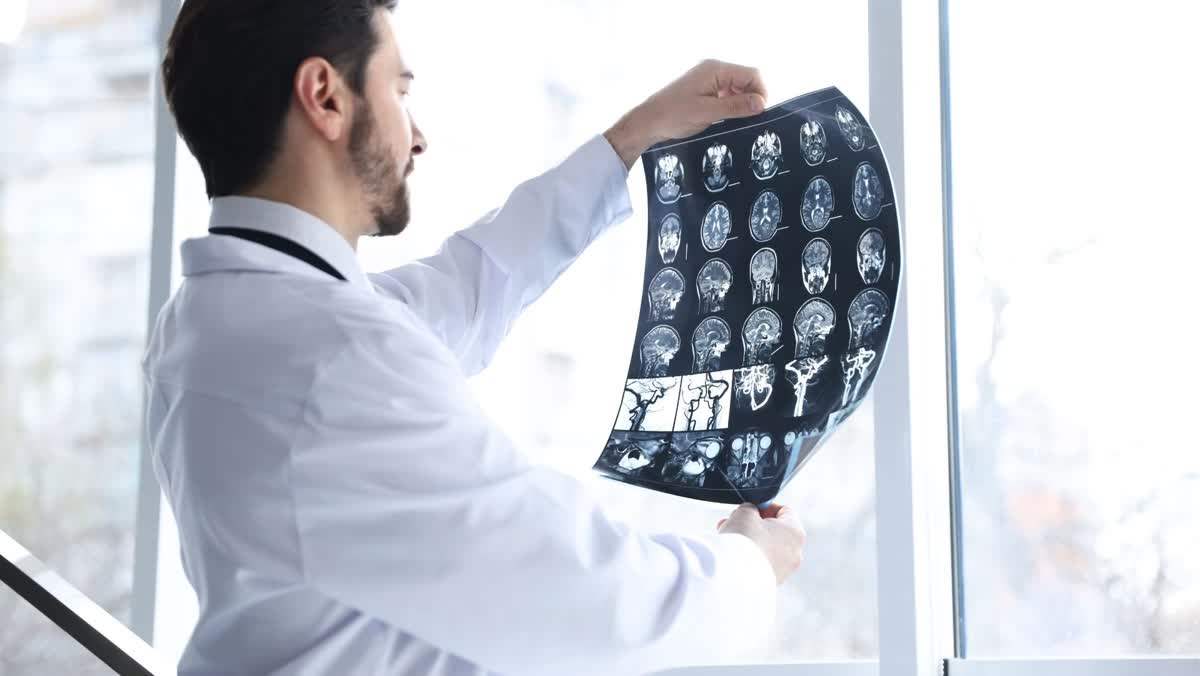
How Personalized Protocols Are Changing Neurotherapy
Standardized treatments are necessary, but personalization often determines whether patients experience meaningful, sustained gains.